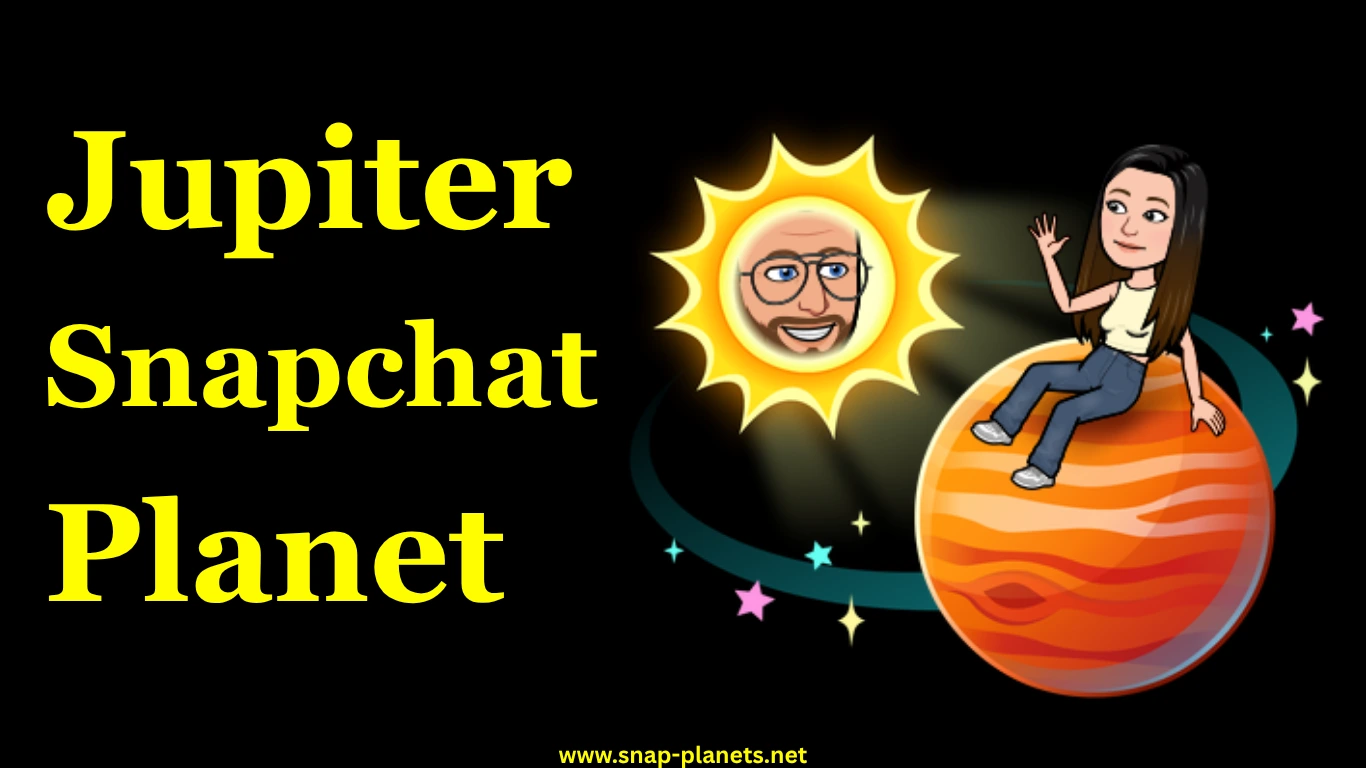
Jupiter is the largest planet in the real solar system — massive, recognizable, and impossible to miss. On Snapchat, the Jupiter planet carries a different kind of significance: it marks the exact point in the Friend Solar System where the inner-tier friendships end and the casual-tier friendships begin.
The Jupiter Snapchat planet is the #5 position in the Friend Solar System. A friend assigned Jupiter interacts with you more frequently than three other recognized friends in your network, but less consistently than your top four. That places Jupiter at a genuinely interesting boundary — close enough to the inner circle to reflect regular contact, but far enough that the interaction pattern has become noticeably less frequent than Earth, Venus, and Mercury.
Understanding Jupiter means understanding what changes at the #5 position, what keeps a friendship there, and what it takes to move it either upward toward the inner planets or downward toward Saturn and beyond. This guide covers all of it accurately — without the invented details about star colors, AI pulses, or hidden scoring systems that circulate in most other content on this topic.
What Is the Jupiter Planet on Snapchat?
The Jupiter Snapchat planet is the #5 position in the Friend Solar System — an exclusive Snapchat Plus feature that visually maps your eight closest friendships as planets orbiting around you as the Sun. Jupiter is assigned to the friend who generates the fifth-highest composite interaction score based on all measurable engagement signals Snapchat tracks across a recent rolling time window.
Just as Jupiter is the fifth planet from the Sun in real astronomy, the Jupiter-ranked friend on Snapchat is your fifth closest digital connection. They interact with you more than three other recognized friends in your solar system, but less consistently than the four friends assigned to Mercury, Venus, Earth, and Mars.
The Jupiter rank is determined entirely by digital behavior — how often you send direct snaps, how frequently you chat, whether you maintain a streak, and how consistently you engage across all tracked interaction types within the app.
Where Jupiter Sits in the Snapchat Planet Order
The Friend Solar System follows the exact sequence of the real solar system. Jupiter occupies the fifth position — directly below Mars and directly above Saturn. This placement marks a meaningful transition point in the ranking structure.
| Planet | Rank | Friendship Tier |
|---|---|---|
| Mercury | #1 | Closest best friend — highest interaction |
| Venus | #2 | Very close — second-highest interaction |
| Earth | #3 | Close, balanced — third-highest interaction |
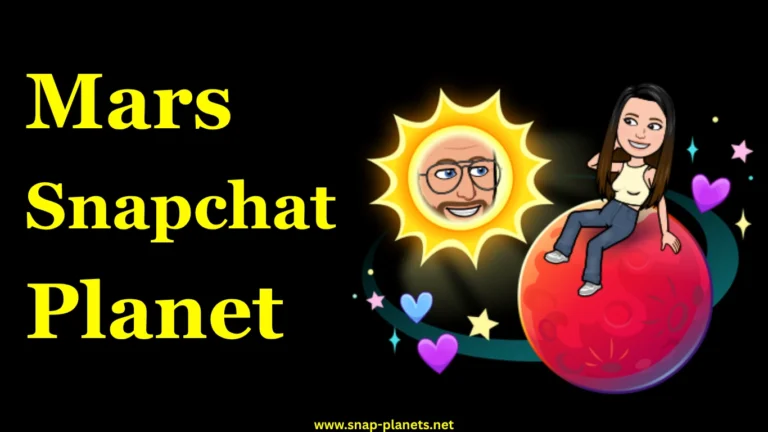
| Mars | #4 | Active connection — fourth-highest interaction |
| Jupiter | #5 | Casual, familiar — fifth-highest interaction |
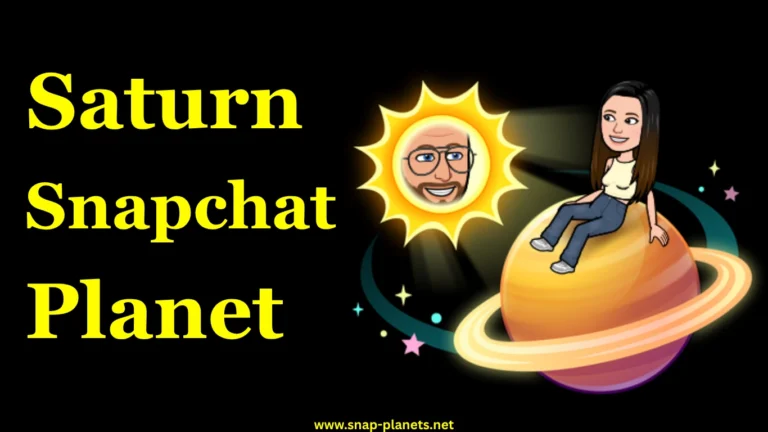
| Saturn | #6 | Fading or infrequent interaction |
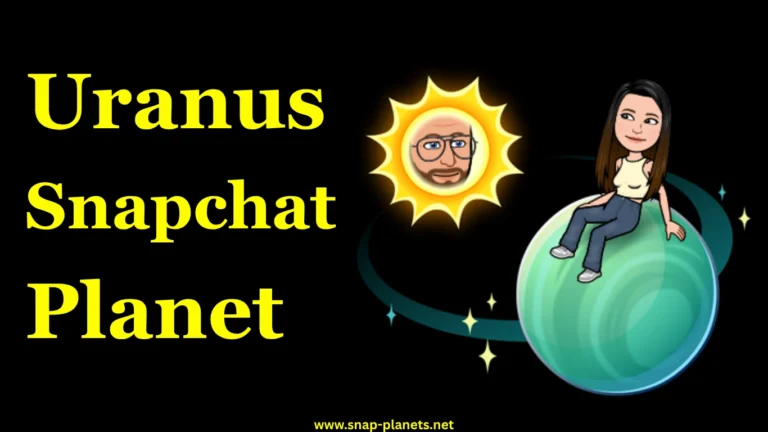
| Uranus | #7 | Rare contact, distant connection |
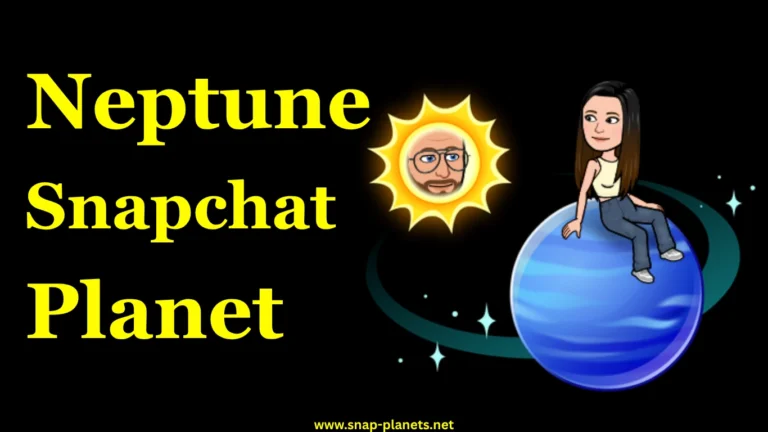
| Neptune | #8 | Minimal interaction, weakest active bond |
Jupiter is the first of what most users informally consider the outer planets — the tier where interaction becomes noticeably less frequent and less consistent than the inner four. The transition from Mars to Jupiter often reflects a meaningful shift in how actively two people engage with each other on the platform.
What Does the Jupiter Planet Look Like on Snapchat?
The Jupiter planet icon has a specific and recognizable visual design within the Friend Solar System. Several online sources invent details about star colors, glow intensities, and animated pulses — none of these are accurate.
Color: Large orange planet with warm beige or golden tones
Surrounding elements: Small stars orbiting around the planet — no hearts appear around Jupiter
Ring detail: Soft beige rings visible around the planet in some display versions
Overall tone: Warm but subdued — less visually intense than the inner four planets
Bitmoji presence: In certain display versions, a small Bitmoji character appears at the edge of the planet
The Critical Visual Shift at Jupiter: Hearts Disappear
One of the most important visual distinctions about Jupiter is what it does not have. Mercury, Venus, Earth, and Mars all feature heart icons in their planet displays. Jupiter is the first planet in the Friend Solar System where hearts are completely absent from the design.
From Jupiter onward — through Saturn, Uranus, and Neptune — only stars appear around the planets, with progressively fewer star elements as positions move further from the Sun.
This design choice is intentional. The absence of hearts at Jupiter signals a shift in the type of engagement the algorithm is detecting. Inner-planet friendships carry enough consistent emotional engagement signals that the design includes hearts. Jupiter-tier friendships, while still recognized and active, show a pattern that is more occasional and less frequently maintained.
| Planet | Hearts in Design | Stars in Design |
|---|---|---|
| Mercury | Yes — 4 red hearts | Yes |
| Venus | Yes — multicolor hearts | Yes |
| Earth | Yes — red hearts | Yes |
| Mars | Yes — small hearts | Yes |
| Jupiter | No | Yes |
| Saturn | No | Yes, dimmed |
| Uranus | No | Yes, faint |
| Neptune | No | Minimal |
What Does Jupiter Mean on Snapchat?
Jupiter on Snapchat means the friend assigned this planet is your number five best friend as determined by Snapchat’s interaction algorithm. Among every person in your friend list, this individual generates the fifth-highest composite engagement score — interacting with you more than three other recognized friends, but less consistently than your top four.
What Jupiter Communicates About the Friendship
When Jupiter appears on a friend’s profile, the Friend Solar System is communicating:
- You interact with this person regularly, but not with the daily frequency of the inner planets
- Snaps and chats happen, but less consistently — perhaps once or twice a week rather than several times a week
- A Snapstreak may or may not be active, and if it exists it is likely shorter or less consistently maintained
- Story engagement happens occasionally rather than regularly
- The combined engagement score ranks fifth among your entire contact network
What Jupiter Does Not Mean
Jupiter does not mean the friendship is unimportant. Fifth place in a contact network that may include dozens or hundreds of people reflects meaningful, recognized engagement.
Jupiter does not mean the friendship is fading. A friend can hold Jupiter stably for months with consistent moderate interaction. Jupiter only becomes a concern if activity is actively declining toward Saturn or lower.
Jupiter does not mean someone is a casual acquaintance. A close friend who prefers texting, calling, or meeting in person may appear as Jupiter simply because Snapchat is not the primary channel for that relationship.
Jupiter is not permanent. Rankings update continuously. A Jupiter position can move up to Mars or higher with increased direct engagement, or drop to Saturn or lower if interaction decreases.
How Snapchat Assigns the Jupiter Rank
The Jupiter rank is determined through the same algorithmic process that assigns all eight planet positions. Snapchat’s algorithm collects interaction data across multiple signal types and generates a composite friendship score for every contact. The friend with the fifth-highest score receives Jupiter.
Interaction Signals and Their Weight
| Signal | Weight in Algorithm |
|---|---|
| Direct one-to-one snaps sent and received | Highest |
| Chat message frequency and initiation | High |
| Snapstreak length and daily consistency | Medium-High |
| Reply speed and consistency | Medium |
| Story reactions and replies | Medium |
| Voice and video calls within Snapchat | Medium |
| Group snap and group chat participation | Low |
At the Jupiter tier, the most common pattern is a friendship where direct snaps happen once or twice a week rather than daily, chat exchanges are occasional rather than regular, and any Snapstreak is either absent or short-running. The friend is recognized by the algorithm as an active contact — they are in the top eight — but their interaction frequency falls noticeably below the four friends ranked above them.
Jupiter From Both Sides: The Asymmetry
Planet rankings are calculated independently for each user. Your Jupiter is determined by your interaction data. Your friend’s Jupiter is determined by their own data. These calculations are completely separate and frequently produce different results.
Common Asymmetry Scenarios for Jupiter
| Your Planet for Them | Their Planet for You | What It Means |
|---|---|---|
| Jupiter | Mercury | They interact with you most; you interact with four others more than them |
| Jupiter | Mars | You are their #4; they are your #5 — small activity gap |
| Jupiter | Jupiter | Mutual #5 — balanced reciprocal engagement at the same tier |
| Jupiter | Saturn | You are their #6; they are your #5 — they interact with you slightly more |
| Mars | Jupiter | You are their #5; they are your #4 — minor gap, achievable to close |
Best Friends Badge vs Friends Badge for Jupiter
Gold-outlined Best Friends Badge: You are both in each other’s top eight friends. Tapping this and seeing Jupiter means you hold the #5 position in their Friend Solar System while they are also somewhere in your top eight.
Friends Badge (no gold outline): You are in their top eight but they are not currently in yours. Tapping this and seeing Jupiter means you are their #5 friend but the placement is not reciprocal.
How to Get Jupiter Rank on Snapchat
Earning Jupiter rank requires building the fifth-highest interaction score among all of someone’s Snapchat contacts.
Strategies to Earn and Hold Jupiter Rank
Send Direct Snaps Once or Twice a Week Jupiter-tier engagement typically involves snapping once or twice per week. Maintaining this consistency over several weeks is usually sufficient to hold Jupiter, particularly if the friends ranked above are not dramatically more active.
Build a Short to Medium Snapstreak Even a streak of 7 to 15 days creates a meaningful daily signal. For Jupiter-tier friendships, a short active streak combined with occasional direct snaps is often enough to maintain the position.
Initiate Chat Occasionally Starting a conversation periodically signals two-way investment. Jupiter-tier friendships often involve one person who initiates slightly more — improving initiation balance can strengthen the score without dramatically more frequent snapping.
React to Their Stories Periodically Even occasional story reactions generate interaction events that contribute to the cumulative engagement score. For Jupiter-tier maintenance, reacting to stories once or twice a week alongside periodic direct snaps is typically sufficient.
How to Move From Jupiter to Mars or Higher
What the Jump From Jupiter to Mars Requires
- Increase direct snap frequency from once or twice a week to several times a week
- Build or restart a Snapstreak and maintain it consistently
- Increase chat initiation — start more conversations rather than only responding
- Engage with their stories more frequently
What the Jump From Jupiter to Earth or Higher Requires
Moving from Jupiter directly to Earth or above requires overtaking both the current Mars and Earth-ranked friends simultaneously. This typically requires daily or near-daily direct snapping, an active long-running Snapstreak, regular two-way chat initiation, and consistent story engagement. The jump from Jupiter to the inner planets is the most significant ranking improvement in the Friend Solar System and requires sustained daily-level engagement rather than the moderate weekly engagement that holds Jupiter rank.
Why Jupiter Rank Drops to Saturn or Lower
Another Friend Becomes More Active Because Jupiter sits at a transition point in the ranking, it is particularly vulnerable to displacement when new friendships develop at high intensity.
Your Interaction With That Friend Decreases Even a few weeks of reduced snapping or fewer chat exchanges can cause a Jupiter-ranked friend to drop. The algorithm prioritizes recent data, so temporary drops have faster consequences than many users expect.
A Streak Breaks For Jupiter-tier friendships where a short streak may have been a primary engagement signal, losing it can cause an immediate rank drop.
Algorithm Recalibration Snapchat periodically adjusts how it weights different signals. These adjustments can shift multiple positions simultaneously without any change in user behavior.
Jupiter vs Other Snapchat Planets: Full Comparison
| Planet | Rank | Snap Frequency | Streak Active | Chat Pattern | Story Engagement |
|---|---|---|---|---|---|
| Mercury | #1 | Daily | Yes, long | Regular two-way | Consistent |
| Venus | #2 | Very frequent | Yes, active | Frequent | Regular |
| Earth | #3 | Several times a week | Usually yes | Occasional two-way | Occasional |
| Mars | #4 | Few times a week | Sometimes | Light, periodic | Occasional |
| Jupiter | #5 | Once or twice a week | Rarely | Infrequent | Rare |
| Saturn | #6 | Occasional | No | Rare | Minimal |
| Uranus | #7 | Rare | No | Very rare | Almost none |
| Neptune | #8 | Almost never | No | Barely any | None |
Jupiter vs Mars: The Inner-Outer Boundary
The transition from Mars (#4) to Jupiter (#5) is one of the most significant shifts in the entire Friend Solar System because it marks the boundary between inner-tier and casual-tier friendships.
- Mars reflects snapping several times a week, possible streak maintenance, light chat exchanges, and occasional story engagement
- Jupiter reflects snapping once or twice a week, rarely an active streak, infrequent chat, and rare story reactions
The gap between Mars and Jupiter is often larger than the gaps between adjacent inner planets because it represents a genuine shift in engagement intensity.
Jupiter vs Saturn: What Separates Them
Saturn (#6) represents the first position where interaction has become genuinely infrequent — occasional snaps without consistency, no active streak, and rare chat. Jupiter stays above Saturn because it still reflects some regularity: once or twice a week rather than only occasionally.
Common Misconceptions About the Jupiter Snapchat Planet
“The stars around Jupiter have different colors with different meanings”
Stars around Jupiter are a design element, not a hidden code. They do not change color to indicate friendship intensity or interaction recency. The stars are a consistent visual feature of the icon.
“Jupiter has a secret pulse or glow animation that shows real-time activity”
This claim appears in several online sources and is not accurate. Snapchat does not use animated pulses or glows in the Jupiter icon to signal real-time updates. Planet positions update on a rolling recalculation schedule.
“Jupiter means the friend is fake or superficial”
Jupiter reflects interaction frequency, not relationship quality. A genuine, valued friendship can hold Jupiter rank simply because both people use Snapchat less frequently with each other than with other contacts.
“There is a Snapchat++ that shows Jupiter differently”
There is no product called Snapchat++. The Friend Solar System is available to Snapchat Plus subscribers only. There is no secondary premium tier beyond Snapchat Plus.
Privacy: Who Can See Your Jupiter Planet
Like all planet positions in the Friend Solar System, Jupiter status is private by design.
- Only you can see which friend holds Jupiter in your solar system
- Your Jupiter-ranked friend cannot automatically see their position in your solar system
- No followers or other contacts can see any part of your Friend Solar System
- Snapchat does not send any notification when planet positions change
The feature can be disabled at any time through Snapchat Plus settings by toggling Friend Solar System off under Manage Features.
Is Jupiter Available Without Snapchat Plus?
No. The Jupiter planet and the entire Friend Solar System are exclusively available to active Snapchat Plus subscribers. The standard free version does not include planet badges or solar system views. Snapchat occasionally offers a free trial for new subscribers during which all features are accessible.
Conclusion
The Jupiter Snapchat planet is the fifth position in the Friend Solar System — the first planet in the casual tier and the point where hearts disappear from the planet visual design entirely. It marks the transition from emotionally intensive daily engagement to more occasional, moderate interaction. Jupiter reflects a friendship that maintains regular enough contact to stay within the top eight, but without the daily commitment of the inner four planets.
Understanding Jupiter accurately means recognizing it as a real-time snapshot of your fifth-most-active digital friendship — one that is fully within your control to improve through consistent, more frequent direct engagement when you choose to invest in it.
Frequently Asked Questions About Jupiter on Snapchat
What does Jupiter mean on Snapchat?
Jupiter means the person assigned this planet is your number five best friend in the Friend Solar System, generating the fifth-highest composite interaction score among all your contacts.
What does the Jupiter planet look like on Snapchat?
Jupiter appears as a large orange planet with warm beige tones, soft rings, and small stars orbiting around it. It is the first planet in the Friend Solar System that does not include heart icons — only stars appear from Jupiter onward.
What place is Jupiter on Snapchat?
Jupiter is in fifth place in the Friend Solar System — directly below Mars (#4) and directly above Saturn (#6).
Is Jupiter a good rank on Snapchat?
Jupiter reflects the fifth-highest interaction score among all your Snapchat contacts. Being in the top five of your entire contact network represents recognized, regular engagement.
Why did my friend drop from Mars to Jupiter?
Common reasons: your interaction with them decreased, another friend became more active and pushed them down, a Snapstreak broke, or Snapchat recalibrated its algorithm.
Can Jupiter move up to Mercury?
Yes, but the jump from Jupiter to Mercury is the most significant improvement in the Friend Solar System. It requires moving from weekly snapping to daily snapping with regular chat initiation — a sustained behavioral change, not a brief activity spike.
Does Jupiter mean we are just casual friends?
Not necessarily. Jupiter reflects Snapchat interaction frequency, not real-life closeness. A genuine close friend can hold Jupiter if Snapchat is not the primary communication platform for that relationship.
How often does Jupiter rank update?
Planet rankings update periodically based on rolling interaction data. Position changes generally become visible within several days rather than in real time.