
Snapchat Planets Order, Meaning & Friend Solar System Explained (2026)
If you have ever opened a friend’s Snapchat profile and noticed a small glowing badge that reveals a planet when tapped, you have already encountered one of Snapchat’s most talked-about premium features. Snapchat Planets, officially part of the Friend Solar System introduced through Snapchat Plus, transforms how users visualize and understand their closest friendships inside the app.
Unlike a simple numbered list, the snap planets feature assigns each of your top eight friends a planet from the real solar system — Mercury through Neptune — based entirely on how frequently and consistently you interact with them. The closer the planet to the sun, the stronger your connection. Mercury means you are someone’s absolute closest friend. Neptune means the bond exists, but interaction has become rare.
What Are Snapchat Planets?
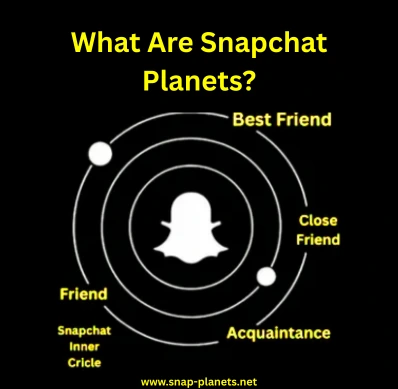
Snapchat Planets are a visual friendship ranking system exclusive to Snapchat Plus subscribers. The feature is officially called the Friend Solar System, and it works by placing you — the user — as the Sun at the center, with your eight closest friends assigned as orbiting planets based on interaction data.
The concept borrows directly from real-world astronomy. Just as Mercury is the closest planet to our Sun and Neptune is the farthest, your #1 best friend on Snapchat is assigned Mercury and your #8 best friend is assigned Neptune. Every planet in between represents a distinct closeness tier.
What makes this different from older Snapchat Best Friends lists is the visual and emotional dimension. Rather than seeing a plain ranked list of names, users see an animated solar system with colored planets, floating hearts, and Bitmoji characters. This design intentionally gamifies friendship engagement, encouraging users to snap and chat more frequently to maintain or improve their planet position.
Key Points About Snap Planets
How the Snapchat Friend Solar System Works
Understanding the snap solar system requires knowing how Snapchat’s algorithm collects and weighs your interaction data. The system does not use a simple snap count. Instead, it evaluates multiple engagement signals over a rolling recent time window and assigns weighted scores to each friendship.
Ranking Signals the Algorithm Uses
| Signal | Relative Weight |
|---|---|
| Direct snaps sent and received | High |
| Chat message frequency | High |
| Snapstreak length and consistency | Medium-High |
| Story replies and reactions | Medium |
| Voice and video call activity | Medium |
| Speed of replies | Medium |
| Group snap participation | Low |
The algorithm recalculates these scores periodically — typically every few days — which means your planet position is not static. A friend you snap every day is more likely to hold a closer planet position than someone you chatted with frequently a month ago but rarely contact now. Recency matters significantly.
The Sun, the Badge, and the Planet Reveal
When you open a Snapchat Plus subscriber’s profile, you may see one of two badges:
Best Friends Badge (gold outline): This means you are both in each other’s top eight friends. You are in their solar system, and they are in yours.
Friends Badge (no gold outline): This means you are in their top eight, but they are not currently in yours. The friendship is recognized on their side but not reciprocated at the same interaction level on yours.
Tapping either badge opens the Friend Solar System view and reveals which planet you represent in that person’s orbit.
Snapchat Planets in Order – All 8 Planets Explained
The snap planets follow the exact sequence of the real solar system. Below is a complete breakdown of all eight planets, including their visual appearance, what friendship tier they represent, and what the position actually means for your relationship dynamics on the platform.
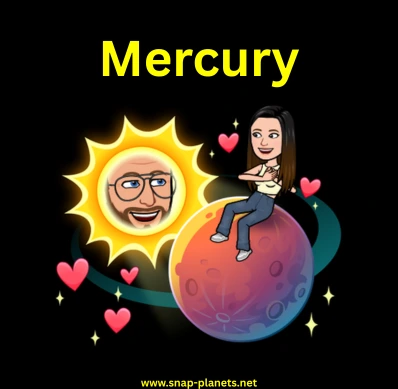
Mercury Planet — Your #1 Best Friend
Position: Closest to the Sun
Visual: A bright red planet surrounded by red hearts, with a soft glowing halo and twinkling stars around the border
Friendship Tier: Highest possible closeness on Snapchat
Mercury in the Snapchat planet order represents the person you interact with most frequently across all measured signals. This person receives and sends the most snaps from you, engages in regular chat conversations, and likely shares a long-running Snapstreak. Mercury is not assigned based on emotional closeness alone — it reflects consistent, measurable digital engagement.
Being someone’s Mercury or having someone as your Mercury typically means daily or near-daily interaction, Snapstreaks that run into the hundreds, and a communication pattern that Snapchat’s algorithm consistently ranks above all other friendships on the platform.
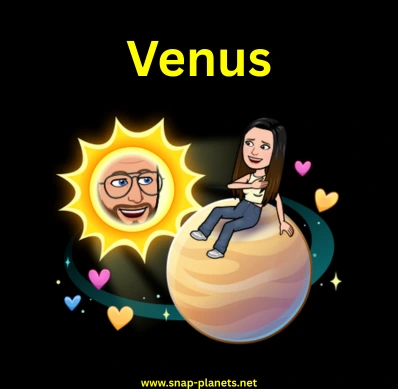
Venus Planet — Your #2 Best Friend
Position: Second closest to the Sun
Visual: A soft beige or pale yellow planet with colorful floating hearts in shades of pink, blue, yellow, and purple
Friendship Tier: Very close, steady bond
Venus in the Snapchat solar system order represents your second-most active friendship. The interaction level is high and consistent, just slightly below Mercury in frequency or engagement depth. Venus often represents someone you consider a genuine close friend in real life as well, given that the interaction on Snapchat mirrors an emotionally engaged relationship.
The multicolored hearts in Venus’s visual design are intentional — they suggest diversity in communication, meaning this friendship involves not just snaps but chats, story interactions, and possibly calls.
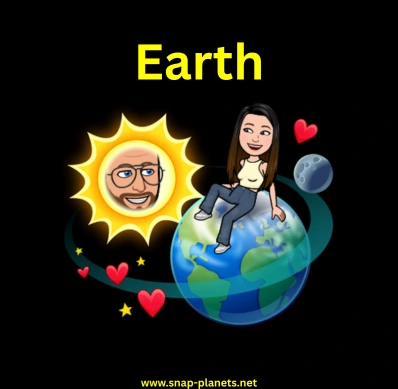
Earth Planet — Your #3 Best Friend
Position: Third from the Sun
Visual: A blue and green planet resembling the real Earth, accompanied by stars and a small grey moon
Friendship Tier: Close and balanced
Earth in the Snapchat planets list represents a friendship that feels natural and stable. You interact regularly, but perhaps not with the same intensity as your top two. Earth-tier friendships on Snapchat are often described as comfortable — the snaps and chats flow easily without pressure, and the connection has genuine consistency even if it lacks the frequency of Mercury or Venus.
The Earth planet’s design borrows from its real-world appearance deliberately. It conveys familiarity, groundedness, and reliability within the friendship dynamic.
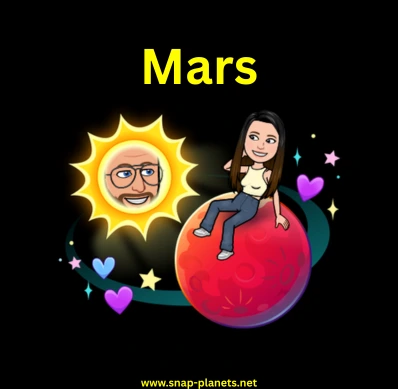
Mars Planet — Your #4 Best Friend
Position: Fourth from the Sun
Visual: A vivid red-orange planet with small stars and hearts orbiting around it
Friendship Tier: Active, energetic friendship
Mars in the Snapchat planet system represents a playful, active connection. Interaction happens regularly but may be more sporadic than the inner planets. Mars-tier friendships often involve meme sharing, funny snaps, and bursts of conversation followed by quieter periods. The bond is warm and present, but the communication style tends to be lighter rather than deeply frequent.
In the context of snap planet order, Mars is the last of the “inner planets” — meaning from Jupiter onward, the interaction signal drops more noticeably.
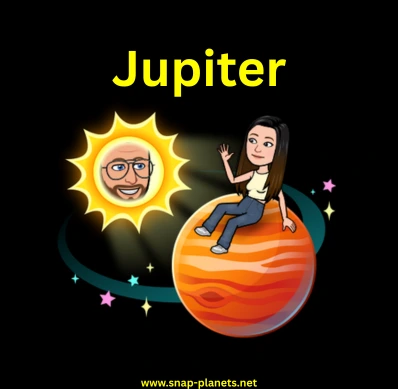
Jupiter Planet — Your #5 Best Friend
Position: Fifth from the Sun
Visual: A large orange planet with soft beige rings and small stars
Friendship Tier: Casual but familiar
Jupiter represents a solid casual friendship. You interact with this person, but not on a daily basis. The Snapstreak may be short or absent, and conversations tend to happen when there is something specific to share rather than as a daily habit. Despite the lower frequency, Jupiter-tier friends are still part of your recognized inner circle on Snapchat.
One notable visual shift at Jupiter: hearts begin to disappear from the planet design, replaced by stars alone. This subtle design choice reflects the reduced emotional engagement signal the algorithm detects at this tier.
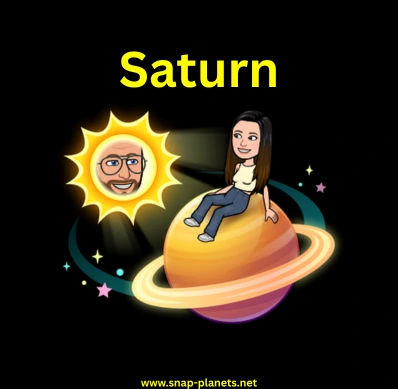
Saturn Planet — Your #6 Best Friend
Position: Sixth from the Sun
Visual: A pale yellow planet with wide, prominent rings and dimmed sparkles
Friendship Tier: Fading or infrequent interaction
Saturn in the Snapchat solar system order often indicates a friendship that was once more active but has slowed. The distinctive rings of Saturn in the snap planet design echo a sense of past closeness — the structure is still there, but the energy has dimmed. You and this friend may still send occasional snaps or reply to stories, but daily communication is not present.
Saturn is a common position for friendships that thrive offline but lack consistent digital engagement on Snapchat specifically.
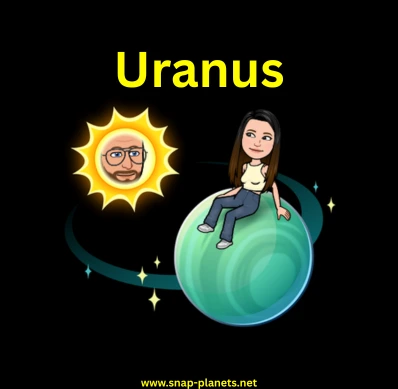
Uranus Planet — Your #7 Best Friend
Position: Seventh from the Sun
Visual: A cool green or light blue planet with faint spark trails and minimal decorative elements
Friendship Tier: Minimal, distant interaction
Uranus in the snap planets order represents someone you barely interact with on the platform. This may be an acquaintance, a friend from a specific context (school, work, a trip), or someone the relationship with has gradually become distant. Snaps and chats happen only occasionally, and there is no active Snapstreak.
The stripped-back visual of Uranus — fewer hearts, no bold colors — reflects this distance clearly within the design language of the feature.
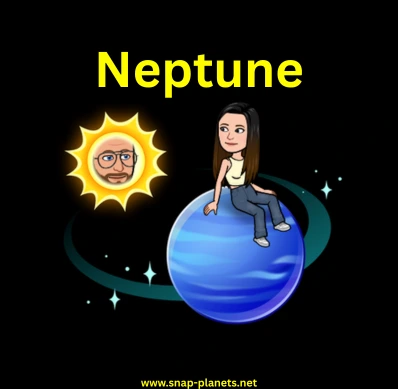
Neptune Planet — Your #8 Best Friend
Position: Farthest from the Sun
Visual: A deep blue planet with subtle glowing rings and almost no additional decoration
Friendship Tier: Barely-there connection
Neptune is the last position in the Snapchat planets in order and represents the weakest active friendship among your top eight. Despite the low interaction level, Neptune-ranked friends are still technically within your best friends list — meaning there is some measurable engagement that keeps them on the list at all. Story views, occasional snaps, or rare chats are enough to hold a Neptune position.
Neptune’s deep blue, quiet visual is the most subdued of all the planet designs. There is no glowing halo, no colorful hearts — just a distant, faintly lit planet that reflects a connection that exists more in history than in present activity.
Snapchat Planets Visual Summary
| Planet | Rank | Color | Visual Details | Friendship Meaning |
|---|---|---|---|---|
| Mercury | #1 | Red | Red hearts, glowing halo, stars | Closest best friend, highest interaction |
| Venus | #2 | Beige/Yellow | Multicolor hearts (pink, blue, yellow) | Strong emotional bond, very frequent contact |
| Earth | #3 | Blue-Green | Moon, stars, pink hearts | Balanced, consistent close friend |
| Mars | #4 | Red-Orange | Stars, hearts, energetic design | Active, playful friendship |
| Jupiter | #5 | Orange | Stars, beige rings, no hearts | Casual familiar friend |
| Saturn | #6 | Pale Yellow | Wide rings, dimmed sparkles | Fading or infrequent interaction |
| Uranus | #7 | Light Green | Faint trails, minimal decoration | Rare contact, distant connection |
| Neptune | #8 | Deep Blue | Subtle glow, almost no decoration | Barely-there, lowest engagement |
Best Friends Badge vs Friends Badge: What Is the Difference?
Two distinct badges appear in the Snapchat Friend Solar System, and understanding the difference is important for correctly reading your planet status.
Best Friends Badge
The Best Friends badge appears with a gold outline and indicates mutual top-eight status. You are in this person’s top eight friends, and they are also in yours. Both users interact frequently enough with each other to appear in one another’s solar systems. When you tap this badge, it shows which planet you represent in their system.
Friends Badge
The Friends badge appears without the gold outline and indicates one-directional top-eight status. You are in their top eight friends, but they are not currently in your top eight. This can happen when one person in a friendship initiates more contact than the other, or when someone has a wider social circle on Snapchat that naturally pushes certain friends out of their top eight.
Perspective Asymmetry in Snap Planets
A frequently misunderstood aspect of the Snapchat solar system is that your planet position from their perspective and their planet position from yours are calculated independently. You could be their Mercury — their most frequent contact — while they appear as your Jupiter, because you interact with five other people more often. Both rankings are accurate simultaneously, based on individual interaction data.
Who Can See Your Snapchat Planet Ranking?
Privacy is central to how the Friend Solar System operates. The feature is designed so that planet rankings are visible only to the individual user, not to the friend being ranked or to any other followers or contacts.
Privacy Rules Summary
- Only Snapchat Plus subscribers can access the Friend Solar System
- Your planet position in someone’s solar system is visible only to you
- Your friends cannot see which planet they are assigned in your solar system unless they tap their own view
- Disabling the feature removes planet visibility for both parties
- Snapchat’s algorithm uses interaction frequency data only — it does not access private message content, photos, or sensitive personal data to generate rankings
Controlling the Feature
The Friend Solar System feature is disabled by default for new Snapchat Plus subscribers. To activate it:
- Open Snapchat and tap your Bitmoji icon (top-left corner)
- Select the Snapchat Plus banner
- Navigate to Manage Features
- Find Friend Solar System and toggle it on
To disable it, follow the same steps and toggle it off. Once disabled, planet badges disappear from friend profiles.
How to Check Your Planet in a Friend’s Solar System
Checking your snap planet position in someone else’s Friend Solar System is straightforward, provided you have an active Snapchat Plus subscription.
Step-by-step process:
- Open the Snapchat app
- Navigate to your Chats list or use the search bar to find the friend
- Tap their name or Bitmoji to open their profile
- Look for the Best Friends or Friends badge on their profile
- Tap the badge
- The Friend Solar System animation will open, revealing the planet that represents your position in their top eight
The screen will display the planet name, its visual, and a brief description of the friendship tier it represents.
Important: You can only see your own position in their solar system. You cannot view their complete list of eight planets or see which planet other people are assigned to in their system.
How to Improve Your Snapchat Planet Ranking
Moving closer to someone’s Sun in the snap solar system requires a consistent, multi-signal approach to engagement. The algorithm does not respond to one-off bursts of activity — it rewards sustained interaction over time.
1. Send Direct Snaps Daily
One-to-one snaps carry the highest weight in the ranking algorithm. Sending a direct snap every day, even something casual, consistently signals active friendship. Group snaps count for less and should not be relied upon as a primary strategy.
2. Maintain Snapstreaks
An active Snapstreak demonstrates ongoing daily commitment. The longer the streak, the stronger the consistent engagement signal. A broken streak can cause a noticeable drop in planet position within a few recalculation cycles.
3. Reply to Snaps and Chats Promptly
Reply speed is a measurable signal. Consistently responding quickly tells the algorithm that the friendship is active and mutual. Delayed or absent replies lower the engagement score over time.
4. React to Stories Regularly
Story reactions count as interaction events. While their weight is lower than direct snaps or chats, regular story reactions contribute to a cumulative engagement score that can sustain or improve planet position.
5. Use Video Snaps
Video snaps generate a higher engagement signal than photo snaps. Sending short video messages rather than static images can accelerate planet ranking improvement, particularly when trying to move from an outer planet position toward the inner planets.
6. Initiate Conversations in Chat
Regular chat messages — not just snap replies — add a secondary engagement layer. The algorithm distinguishes between snap-only relationships and relationships that also involve text conversation, and the latter tends to rank higher.
7. Avoid Over-Relying on Group Snaps
Group snaps do not contribute meaningfully to individual friendship rankings. If your primary interaction with a specific friend happens through group threads, your one-to-one ranking signal will remain low regardless of overall message volume.
Snapchat Plus: The Subscription Behind the Planets Feature
Snapchat Planets are part of Snapchat Plus, the platform’s paid subscription tier. Without an active Snapchat Plus subscription, the Friend Solar System is not accessible in any form.
Snapchat Plus Key Features
| Feature | Description |
|---|---|
| Friend Solar System | Planet-based friendship ranking system |
| Custom App Icons | Personalized Snapchat icon designs |
| Story Rewatch Count | See how many times someone rewatched your story |
| Ghost Trails | View recent location movements of friends on Snap Map |
| Snapstreak Restoration | Tools to restore accidentally broken streaks |
| Priority Story Replies | Your replies appear higher in a friend’s story inbox |
| Exclusive Bitmoji Styles | Unique outfits and expressions for subscribers |
| Early Feature Access | Beta access to experimental Snapchat features |
| Chat Themes and Wallpapers | Personalized chat backgrounds per friend |
Snapchat Plus Pricing (2026)
Snapchat Plus pricing varies by region and is subject to change. As a general reference:
- Monthly plan: approximately $3.99 USD
- Annual plan: typically 20-30% cheaper than monthly billing
- Regional pricing varies based on local currency, taxes, and App Store or Google Play policies
To subscribe, open Snapchat, tap your profile icon, tap the Snapchat Plus banner, select a plan, and confirm payment through Apple Pay (iOS) or Google Play billing (Android).
Snapchat Planets vs Snap Score vs Snapstreaks
These three systems are frequently confused because they all relate to friendship activity, but each measures something fundamentally different.
| Feature | What It Measures | Visibility | Snapchat+ Required |
|---|---|---|---|
| Snap Planets | Friendship closeness ranking (relative to 8 friends) | Private (you only) | Yes |
| Snap Score | Total lifetime Snapchat activity (all friends, all snaps) | Public | No |
| Snapstreaks | Consecutive days of mutual snapping with one friend | Visible to both friends | No |
Snap Planets give a relational picture — how close you are to specific people. Snap Score is an absolute activity metric that says nothing about individual relationships. Snapstreaks measure consistency with a single friend but not closeness relative to others. All three systems coexist independently and can tell very different stories about the same friendship.
Common Snapchat Planets Problems and Solutions
Planets Not Showing on a Profile
The most common cause is an expired Snapchat Plus subscription or the Friend Solar System toggle being switched off. Verify your subscription status and check the feature toggle in Snapchat Plus settings.
Planet Position Seems Wrong or Outdated
The algorithm updates on a rolling basis, not in real time. If you recently increased interaction with a specific friend, the planet position may take several days to reflect the change. This lag is normal and part of the recalculation cycle.
Best Friends Badge Not Appearing
If the badge does not appear on a friend’s profile, it is likely because one or both users do not currently have Snapchat Plus active, or the Friend Solar System is disabled on their account. The badge only appears when both users meet the conditions for the feature to display.
Planet Icon Frozen or Not Loading
Clearing the Snapchat app cache typically resolves loading issues with planet icons. On Android: Settings > Apps > Snapchat > Clear Cache. On iOS: offload and reinstall the app.
Subscription Active but Feature Not Working
Log out of Snapchat completely and log back in. If the issue continues, check for a pending app update — running an outdated version of Snapchat can prevent premium features from functioning correctly.
Snapchat Planets in 2026: What Has Changed
Snapchat has continued to refine the Friend Solar System since its original launch. The 2026 update introduced improved planet animations, more responsive Bitmoji reactions within the solar system view, and a refreshed interface that makes the badge and planet reveal smoother on both iOS and Android.
Snapchat has also been testing Galaxy Badges internally — a proposed extension to the planets system that would reward users for sustained long-term interaction with specific friends. This feature has not yet launched globally but has appeared in regional testing environments.
The core planet order and ranking logic remains unchanged. Mercury still represents the closest friend and Neptune the most distant among the top eight. What has evolved is primarily the visual quality of the feature and the responsiveness of its recalculation cycle.
Is the Snapchat Friend Solar System Accurate?
The Friend Solar System is accurate in one specific way: it reflects your measurable digital interaction patterns on Snapchat. If the app records that you send more snaps to one person than another, that person will rank higher. The algorithm does not guess or estimate — it responds to what users actually do within the app.
However, it has clear limitations as a measure of real friendship:
- Offline closeness is invisible to the algorithm
- Someone you see every day in person may rank as Neptune if you rarely snap each other
- High snap frequency with an acquaintance could rank them higher than a genuine close friend who prefers other communication platforms
- The system reflects Snapchat-specific behavior, not the full texture of a relationship
Understanding this distinction is important. The snap planet system is a digital engagement metric with a visual and emotional design layer. It should be read as a fun, approximate indicator rather than a definitive measure of how meaningful a friendship is.